
Nano Drawing Dies
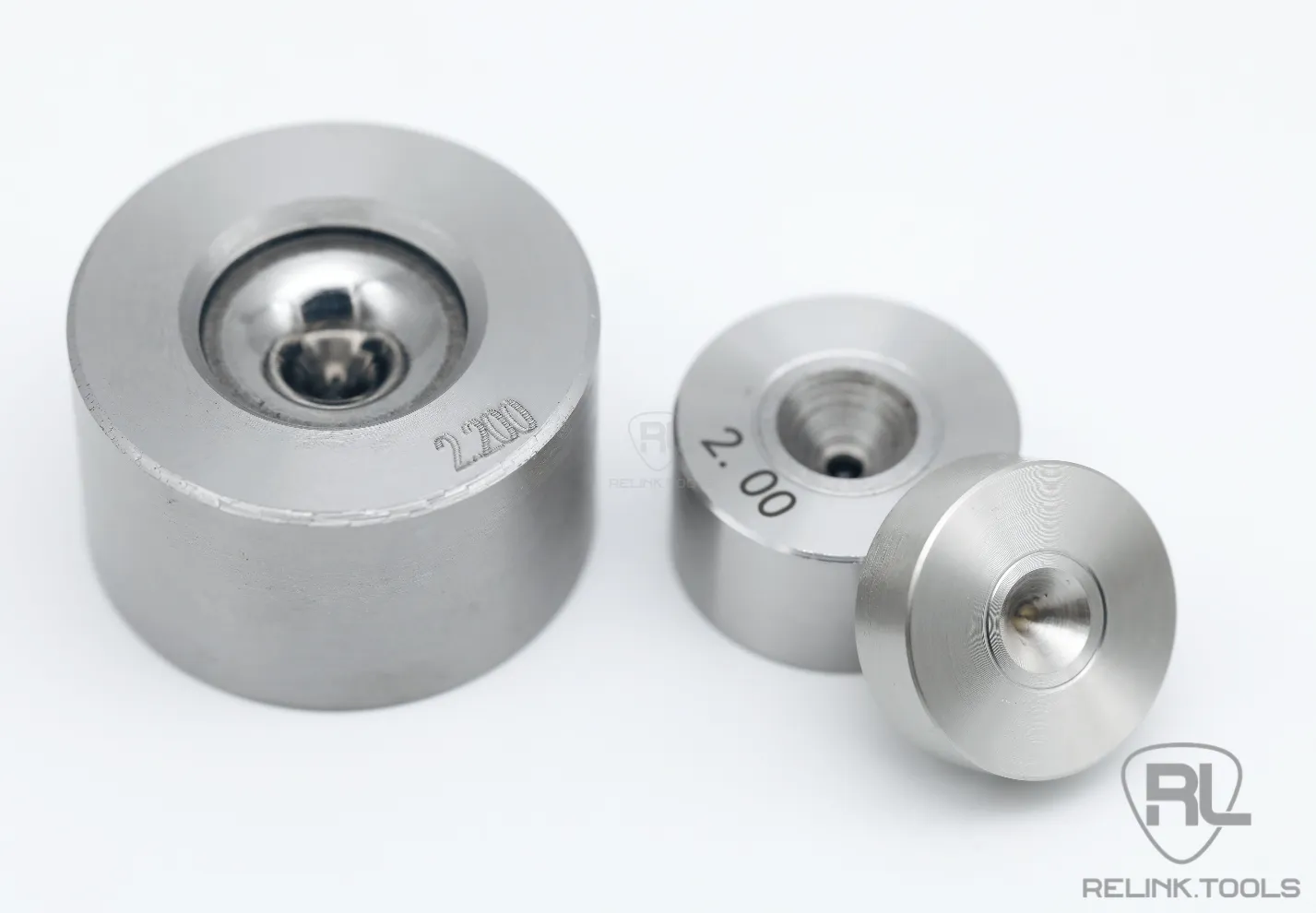
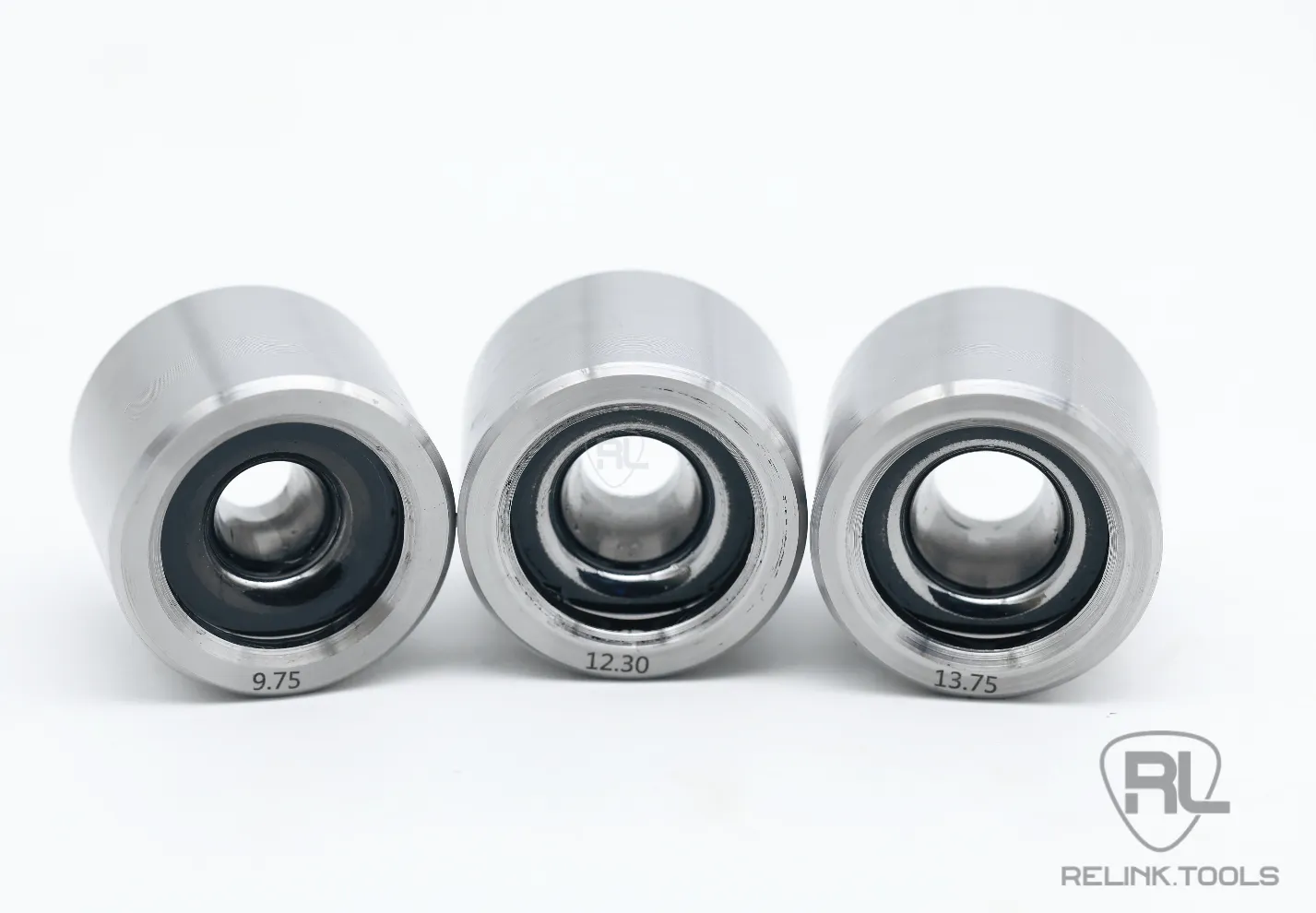
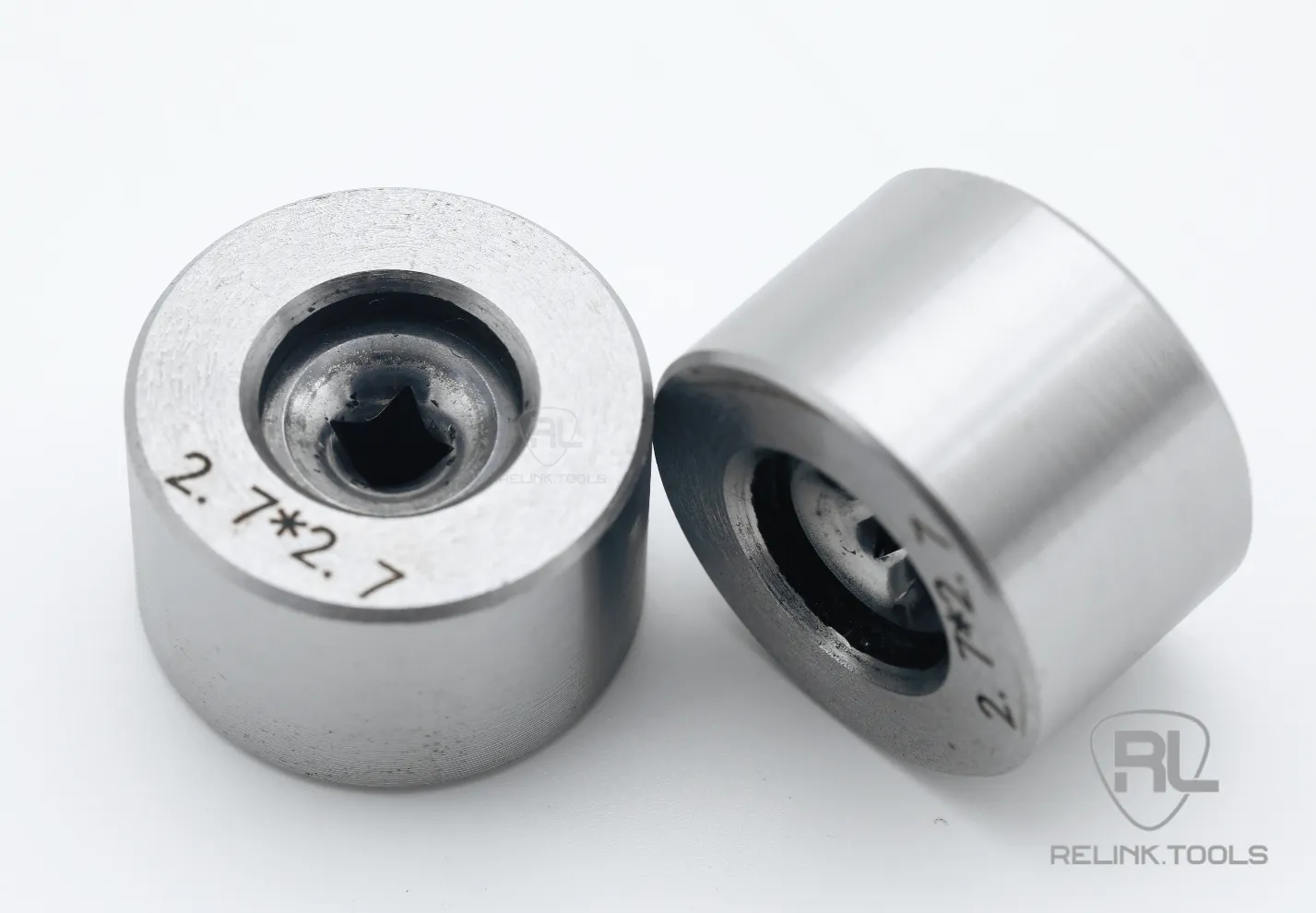
Relink™ Nano Dies feature a uniform nanocrystalline diamond layer applied to a tungsten carbide substrate via advanced Chemical Vapor Deposition (CVD). This hybrid engineering integrates the toughness of carbide with the extreme hardness and low friction of diamond.
How to Start Your Trial Order?
Advantage:
Nano Dies are perfect for manufacturers seeking longer tool life, superior surface quality, and reduced operational costs without the premium price of full PCD dies. Relink Nano Dies excel in drawing copper, aluminum, stainless steel, low-carbon steel, and non-ferrous alloys, as well as specialized cable compacting and stranding applications.
More Specs
Key Benefits:
-
Extended die life (up to 4-5x longer than traditional PCD in many applications).
-
Ultra-smooth wire surfaces with minimal defects and fines.
-
Lower friction for higher drawing speeds and reduced heat buildup.
-
Cost-effective alternative for medium to large diameters.
-
Custom profiles available, including shaped dies for cable sector compacting.
| Feature | Nano Drawing Die | Tungsten Carbide (TC) | Polycrystalline Diamond (PCD) |
|---|---|---|---|
| Service Life | 15x to 60x longer | Baseline (1x) | 30x–50x (Small sizes only) |
| Diameter Range | 0.1mm – 100mm+ | 0.1mm – 100mm+ | Typically limited to < 15mm |
| Surface Finish | Mirror Grade (Excellent) | Good | Superior |
| Thermal Resistance | Excellent | Average | Good |
| Value for Money | Highest (Best for Large Ø) | Low (Frequent downtime) | High (But expensive for Large Ø) |
| Material Savings | Significant (Zero Oversizing) | None | Significant |
Learn More
Get Solution:
💡 Relink™ Nano Dies deliver superior precision, exceptional durability, and outstanding efficiency for today’s high-speed wire and cable production. Contact us for custom solutions tailored to your specific needs.

💡 Please contact us via WhatsApp for the latest product quotation.
Products Display
Products Display
FAQ
Why Choose Relink Nano-Diamond Coating Technology?
Relink Nano Drawing Diesrepresent the pinnacle of wire processing technology. Utilizing advanced CVD (Chemical Vapor Deposition), we grow a dense layer of nanocrystalline polycrystalline diamond (PCD) onto a high-strength tungsten carbide substrate. This hybrid structure perfectly integrates the impact toughness of carbide with the extreme hardness of diamond.
1. Extreme Hardness & Ultra-Long Service Life
-
10,000 Vickers Hardness: The nano-coating hardness is nearly identical to natural diamond, far exceeding traditional tungsten carbide (approx. 1,800 HV).
-
10–20x Longer Lifespan: When processing low/medium carbon steel, stainless steel, and non-ferrous alloys, the wear resistance is vastly improved, drastically reducing die replacement frequency.
-
Superior Bore Stability: The ultra-slow wear rate ensures that wire diameters remain within micron-level tolerances across thousands of kilometers of drawing, preventing material waste caused by “over-tolerance” (oversized) wire.
2. Mirror-Like Surface Finish
-
Nanocrystalline Structure: Unlike standard diamond particles, the nano-scale grain structure provides an exceptionally smooth die bore surface.
-
Elimination of Galling & Metal Fines: High chemical inertness prevents metal adhesion (especially with Aluminum and Copper), completely solving the issues of surface scratches and burrs on the finished wire.
-
Enhanced Product Value: Ideal for high-precision applications like magnet wires and PV ribbon, delivering a flawless metallic luster.
3. Low Friction Coefficient & High-Speed Performance
-
Self-Lubricating Properties: The friction coefficient of the nano-diamond surface is extremely low (μ≈0.05), significantly reducing drawing resistance.
-
Support for High-Speed Drawing: Reduced friction leads to less heat accumulation. Even at high speeds exceeding 20m/s, the integrity of the lubricant is preserved, preventing wire annealing and extending the life of your drawing fluids.
-
Energy Efficiency: Lower drawing force requirements mean reduced motor load, potentially saving your facility 5%–10% in energy consumption.
4. 80% Reduction in Production Downtime
-
Continuous Productivity: Traditional TC dies require frequent inspections and changes. With Relink Nano Dies, your equipment can achieve significantly longer continuous operation cycles.
-
Low Maintenance Requirements: The die bore is resistant to buildup and scaling, extending maintenance intervals and allowing your production line to achieve “high output, low maintenance.”
Technical Specification Comparison (SEO Core Data)
| Feature | Relink Nano Die (CVD) | Traditional Carbide (TC) | Performance Boost |
|---|---|---|---|
| Vickers Hardness (HV) | 8,000 – 10,000 | 1,400 – 1,800 | 5x+ Hardness |
| Friction Coefficient (μ) | 0.05 – 0.1 | 0.2 – 0.4 | 75% Lower Friction |
| Surface Roughness (Ra) | < 0.05 μm | 0.1 – 0.2 μm | Mirror Finish |
| Typical Tool Life | 40,000+ Tons/Set | 4,000 Tons/Set | 10x Durability |
How Much Can Nano Die Improve High-Precision Surface Finish & Overall Efficiency?
Superior Surface Quality (High-Precision Surface Finish)
Feature: Mirror-Grade Polish & Ultra-Low Friction
Technical Details: Nano-crystalline diamond (NCD) coated dies deliver an exceptionally smooth high-precision surface finish thanks to their ultra-fine grain structure (typically 0.05 μm). The friction coefficient of the nano-diamond surface is only 0.05 – 0.1, significantly lower than the typical 0.25 of conventional tungsten carbide (TC) dies. This mirror-like polish is achieved through the combination of nano-scale diamond particles and post-deposition polishing, resulting in surface roughness values far superior to traditional materials.
Benefits for Engineers:
-
Minimizes heat generation during high-speed drawing by reducing frictional forces, which helps maintain stable process temperatures and prevents thermal damage to both the die and the wire.
-
Prevents surface scratches and defects, ensuring consistent wire quality even at elevated drawing speeds.
-
Delivers a true mirror-like finish on the drawn wire, critical for high-end applications such as electronic cables, automotive wiring harnesses, and precision conductors where surface integrity directly impacts conductivity, corrosion resistance, and aesthetic requirements.
-
Reduces generation of fines and dust, improving downstream processing cleanliness and overall yield.
-
Maintains hole geometry stability over an extended lifespan, supporting tighter dimensional tolerances and repeatable high-precision surface finish across long production runs.
In practical terms, field trials have shown that wires drawn through NCD-coated dies can achieve up to 28% lower surface roughness compared to standard carbide dies, along with lower residual stress in the finished wire.
This combination of high-precision surface finish and ultra-low friction makes Nano Die (NCD-coated dies) an ideal upgrade for engineers seeking to optimize wire drawing processes for demanding industries like electronics, automotive, and specialty cable manufacturing.
Typical Performance Comparison:
| Item | Traditional Tungsten Carbide Die | NCD Nano Die | Improvement |
|---|---|---|---|
| Die Lifespan | Baseline (1×) | 8–20× | 8–20 times |
| Die Change Frequency | High | Extremely low | Reduced by 80–95% |
| Drawing Speed | Baseline | Can be increased | 10–30%+ (depending on process) |
| Material Waste | Higher | Reduced | Savings of 2–3%+ |
| Overall Production Efficiency | Baseline | Significantly improved | 2–5 times+ (depending on scenario) |
Important Notes: Actual improvement depends heavily on the wire material (steel, copper, aluminum, etc.), diameter, drawing machine type, and original process conditions. It is recommended to conduct small-batch trials and comparisons in your specific application to obtain the most accurate data.
If you provide more details (such as the wire material, diameter, current drawing speed, and existing die lifespan), I can offer more targeted efficiency estimates or optimization suggestions.
What Factors Affect Wire Drawing Efficiency? How Much Efficiency Can Nano Die (NCD Coating) Improve?
Wire drawing efficiency is usually measured by comprehensive indicators such as output per unit time (meters/hour or tons/hour), equipment utilization rate, energy consumption, and yield rate. The following are the main factors that influence wire drawing efficiency (based on industry practice and research):
-
Die Material and Design: Fast die wear leads to changes in hole diameter, surface roughness, and frequent die changes, directly reducing speed and uptime. Geometric parameters such as die angle, bearing length, and back relief angle affect friction force and deformation uniformity.
-
Lubrication Conditions: Inadequate lubricant type, cleanliness, or supply increases the friction coefficient, generates excessive heat, accelerates die wear, and can even cause wire breakage or surface scratches.
-
Wire Material Properties: Differences in wire strength, hardness, ductility, surface quality, and impurity content significantly affect the required drawing force, area reduction ratio, and risk of wire breakage.
-
Drawing Speed and Process Parameters: Excessively high speed generates too much heat, increases friction, and affects wire performance. Too large a reduction ratio can also cause wire breakage or surface defects.
-
Temperature Control: Frictional heat generated during drawing raises temperature, which accelerates oxidation, die wear, and changes in wire properties.
-
Equipment Factors: Machine alignment, tension stability, cooling system, and maintenance level all affect operational stability.
-
Operation and Management: Die change time, frequency of die inspection, and raw material consistency can cause downtime losses.
These factors interact with each other and ultimately determine the overall equipment effectiveness (OEE).
Efficiency Improvement After Using Nano Die (Nano-Crystalline Diamond Coated Dies)
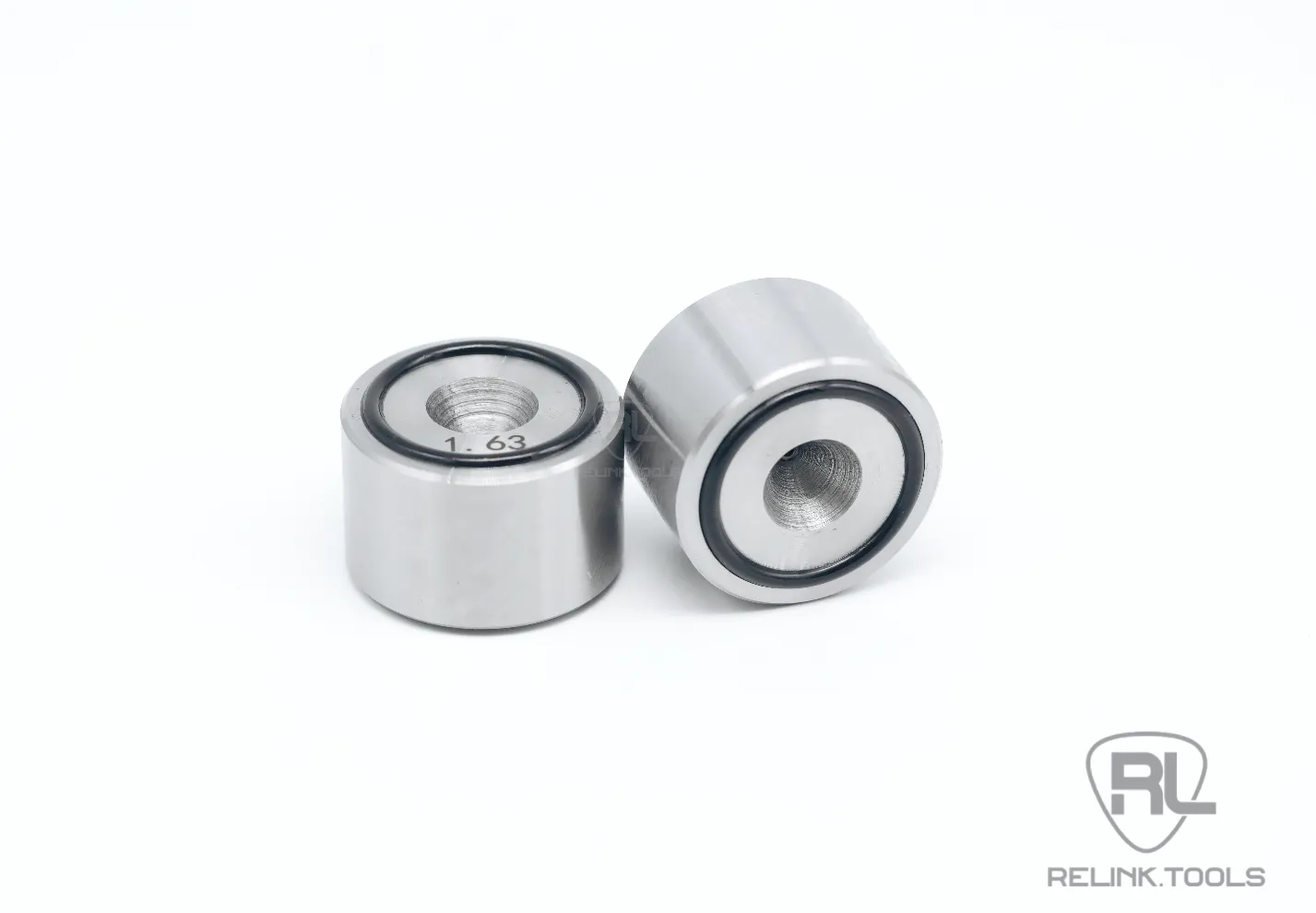
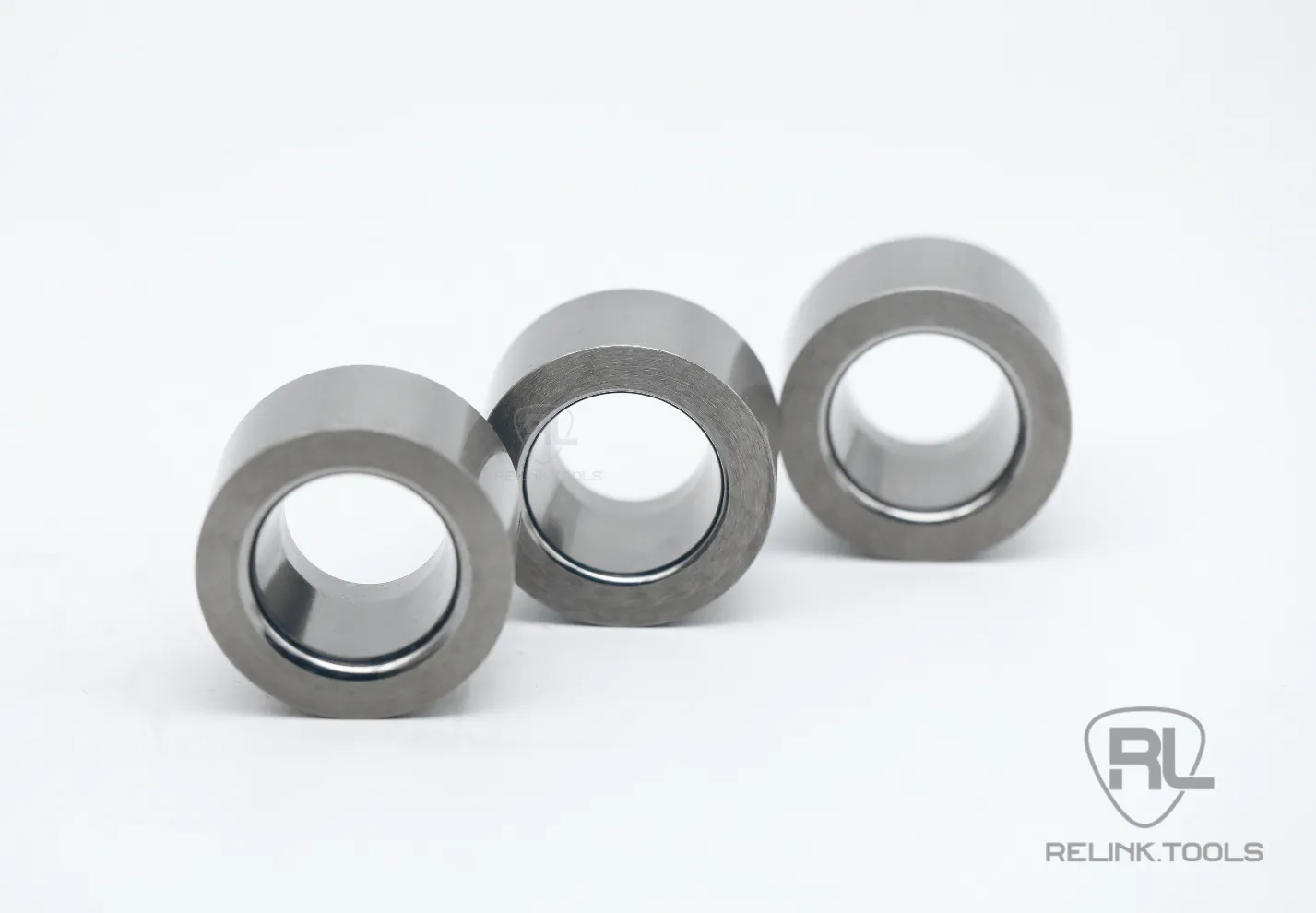
Nano Die refers to black wire drawing dies with a nano-crystalline diamond (NCD) coating (grain size 5–50 nm) deposited via CVD technology on a tungsten carbide or similar substrate (as shown in the left image of the horizontal comparison, in clear contrast to the silver substrate dies on the right). Thanks to its extremely low friction coefficient (<0.05), ultra-high hardness (close to natural diamond), and mirror-like surface finish, it significantly improves multiple bottlenecks mentioned above.
Specific Efficiency Gains (based on industry field tests and literature):
-
Die Lifespan Increased by 5–20 Times (most commonly 8–15 times): Compared with traditional tungsten carbide dies, NCD-coated dies can last 8–20 times longer in applications such as steel wire, copper wire, and cable stranding. This dramatically reduces the frequency of die changes and downtime.
-
Higher Drawing Speed: Lower friction combined with the mirror-smooth surface reduces drawing force, allowing higher drawing speeds on the same equipment while reducing heat generation and lubricant consumption (some users report ~30% reduction in lubricant usage).
-
Material Savings and Improved Yield: Stable hole diameter and superior surface quality reduce wire scrap and dust. Some Nano Die users achieve 2–3% savings in raw metal material and significantly higher yield rates.
-
Overall Production Efficiency / Capacity Increase: Because die change frequency is greatly reduced (downtime can drop by 80–90% or more), equipment utilization and output per unit time improve significantly. In high-volume production lines, total efficiency (overall capacity) typically increases by 2–5 times or more, depending on the original process bottlenecks and wire types. In the long term, total cost of ownership (TCO) decreases substantially.
Typical Performance Comparison:
| Item | Traditional Tungsten Carbide Die | NCD Nano Die | Improvement |
|---|---|---|---|
| Die Lifespan | Baseline (1×) | 8–20× | 8–20 times |
| Die Change Frequency | High | Extremely low | Reduced by 80–95% |
| Drawing Speed | Baseline | Can be increased | 10–30%+ (depending on process) |
| Material Waste | Higher | Reduced | Savings of 2–3%+ |
| Overall Production Efficiency | Baseline | Significantly improved | 2–5 times+ (depending on scenario) |
Important Notes: Actual improvement depends heavily on the wire material (steel, copper, aluminum, etc.), diameter, drawing machine type, and original process conditions. It is recommended to conduct small-batch trials and comparisons in your specific application to obtain the most accurate data.
If you provide more details (such as the wire material, diameter, current drawing speed, and existing die lifespan), I can offer more targeted efficiency estimates or optimization suggestions.
Keywords: wire drawing efficiency, factors affecting wire drawing, nano die, NCD coated wire drawing dies, nano crystalline diamond dies, wire drawing die lifespan, improve wire drawing productivity, NCD vs carbide dies, cost effective wire drawing, wire drawing speed, die change frequency, wire drawing yield