

Tungsten Price Fluctuations & PCD Die Perks
In this article
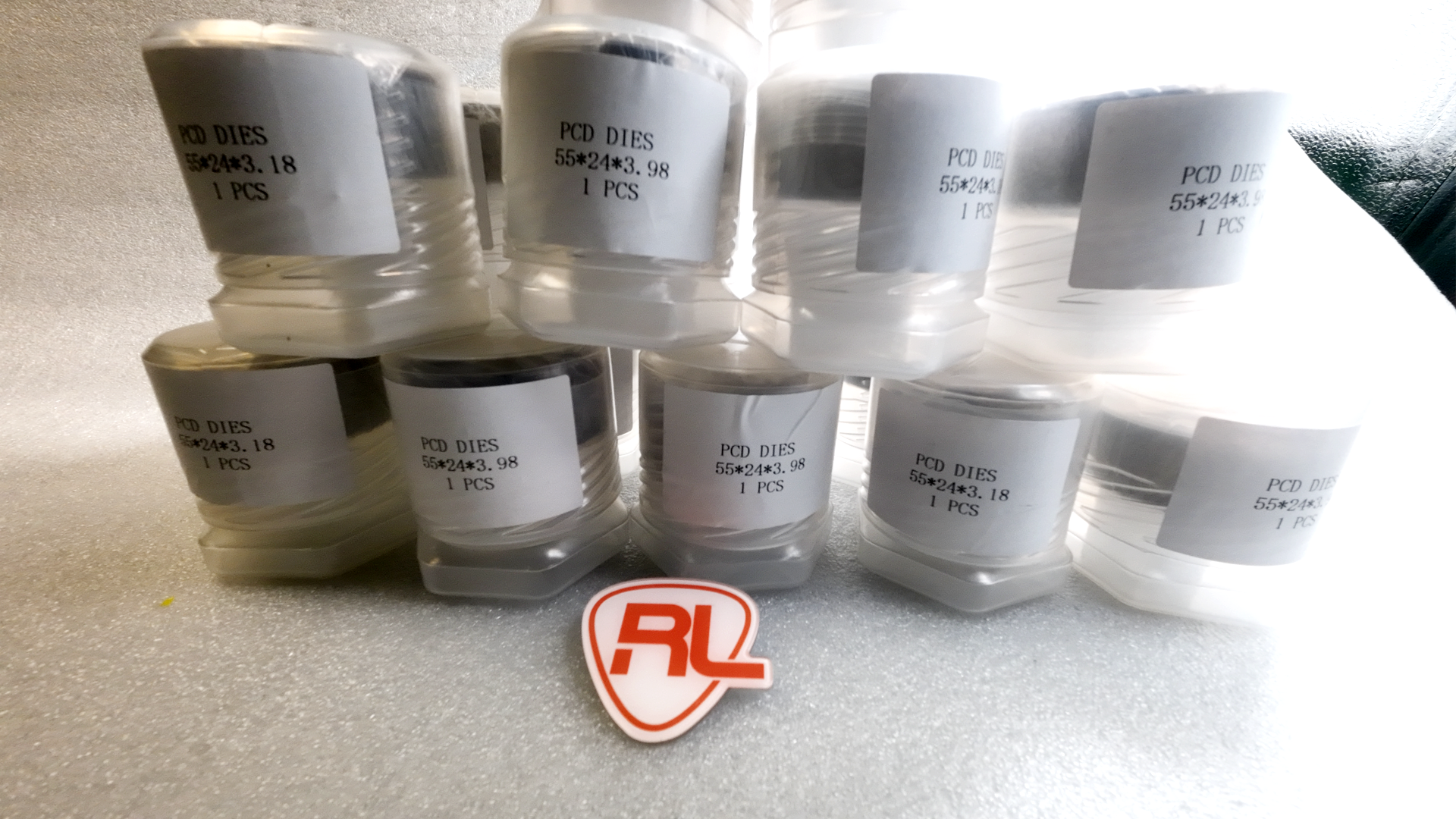
Today marks a milestone in the tungsten market. Driven by a mix of profit-taking from the supply side and a “wait-and-see” approach from buyers, tungsten concentrate prices have officially dipped below the 1 million RMB/standard ton mark. This signals a significant correction after the frenetic price surges seen since the beginning of the year.
For cable manufacturers, volatile raw material costs are both a challenge and an opportunity to optimize production. With tungsten powder hovering at 2,350 RMB/kg, minimizing downtime and maximizing yield is no longer just a goal—it’s a survival strategy. The answer lies in the precision of the PCD (Polycrystalline Diamond) Wire Drawing Die.
1. Tungsten Market Turbulence: The Manufacturer’s Anxiety
According to the latest market reports, the current tungsten landscape is defined by:
-
Narrowing Price Gaps: As domestic prices pull back from record highs, overseas orders—previously lost due to skyrocketing costs—are beginning to flow back.
-
Intense Long-Short Tug-of-War: Prices for Tungsten Powder and APT remain near historic highs. Manufacturers are buying only on a “need-to-have” basis, leaving zero room for error.
-
Scrap Market Volatility: Scrap tungsten rods have plunged over 21% from their peak, reflecting deep-seated anxiety in the secondary market.
In this environment, relying on traditional Tungsten Carbide dies can be a liability. Frequent wear and tool changes don’t just increase procurement costs; they lead to “overweight” wire diameter issues that waste expensive raw materials.
2. Relink PCD Dies: The Efficiency Edge in a High-Cost Era
In wire drawing, the die determines the efficiency. Compared to traditional carbide, Relink PCD Wire Drawing Dies offer a strategic advantage:
A 50–200x Lifespan Leap
While carbide dies are cost-effective for short-run tasks, PCD dies offer a lifespan 50 to 200 times longer in high-intensity production. In a world where tungsten exceeds 1M per ton, preventing “diameter creep” ensures you aren’t giving away free metal in every meter of wire.
Superior Heat Dissipation
PCD’s thermal conductivity is 2–3 times higher than even natural diamond. This prevents wire breakage caused by localized overheating during high-speed drawing—critical for copper, aluminum, and high-precision aerospace alloys.
Unmatched Surface Consistency
Relink utilizes precision polishing to ensure an ultra-low friction coefficient. This reduces the load on drawing machines and ensures that tolerances remain consistent across millions of meters of production.
3. Strategic Sourcing: Staying Steady in a Volatile Market
As the market adopts a cautious “wait-and-see” stance, Relink suggests the following strategies for cable producers:
-
Switch to PCD for Long-Cycle Orders: For power cables or ultra-fine electronic wires, PCD dies drastically reduce downtime, hedging against the uncertainty of material price swings.
-
Focus on Tool Sustainability: Despite the dip in scrap prices, tungsten remains a strategic asset. Relink offers refurbishment and resizing services for PCD dies, extending the lifecycle of the tool casing.
-
Prepare for Order Influx: As international orders return to the domestic market, production loads will increase. The stability of PCD dies ensures that quality does not drop when the pace picks up.
Conclusion
“A battle between scrap and powder; tungsten prices test the million-mark.” April 2026 is a crossroads for the industry. For cable manufacturers, predicting the market is less effective than building manufacturing resilience.
By integrating Relink PCD Dies, companies shift their focus from fluctuating material costs to stable production efficiency. In the ebb and flow of commodity prices, advanced tooling remains the ultimate anchor for competitiveness.
Explore High-Efficiency Drawing Solutions: Relink Tools Official Website
Did this answer your question?