

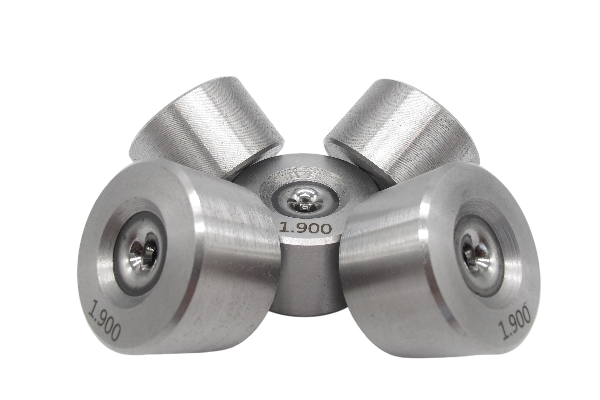
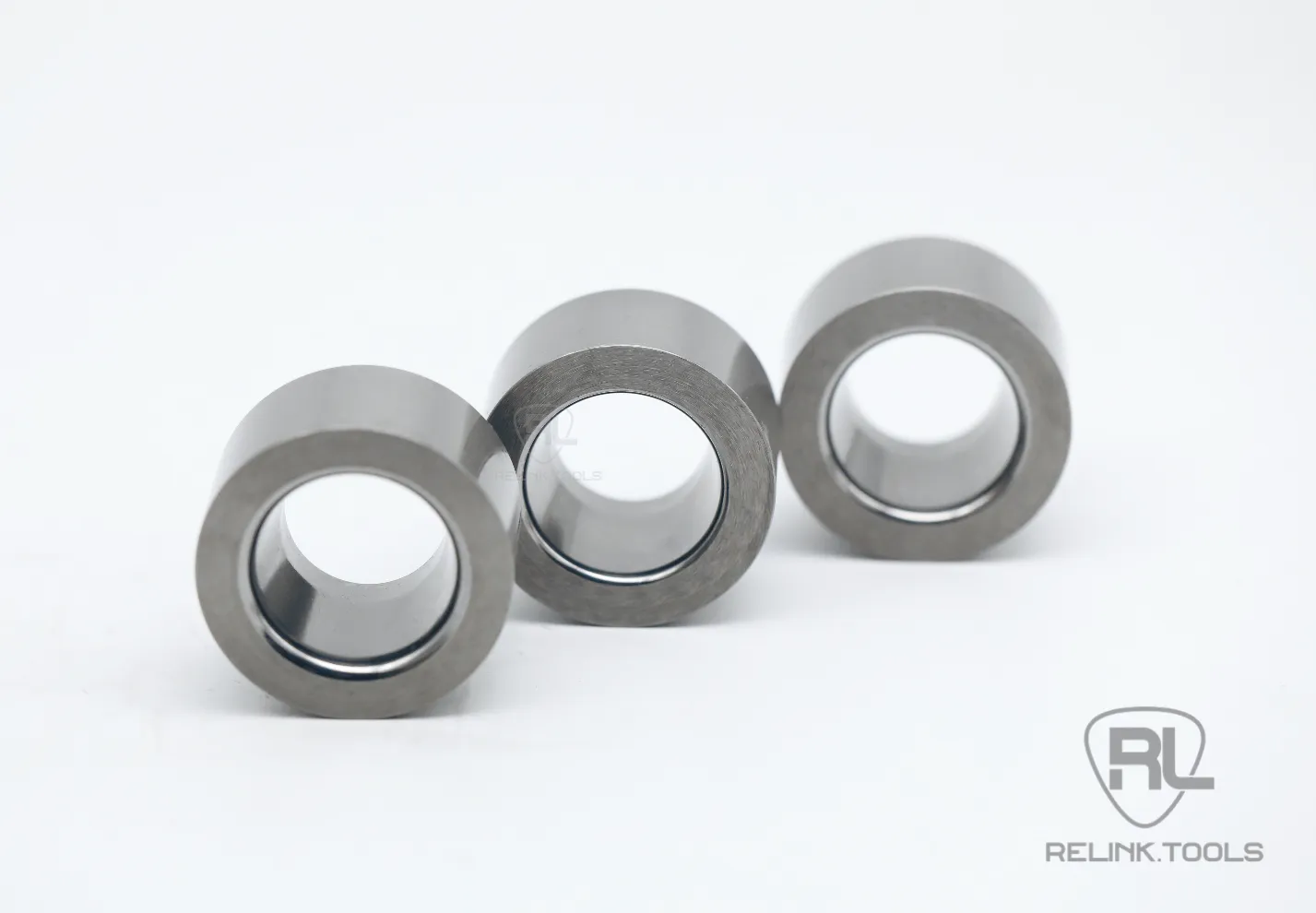
Tungsten Carbide Wire Drawing Dies
Tungsten Carbide (TC) drawing dies provide a reliable and economical solution for wire drawing operations, particularly in applications involving medium to large wire sizes and materials that generate moderate to high wear.
Category: Wire Drawing Dies
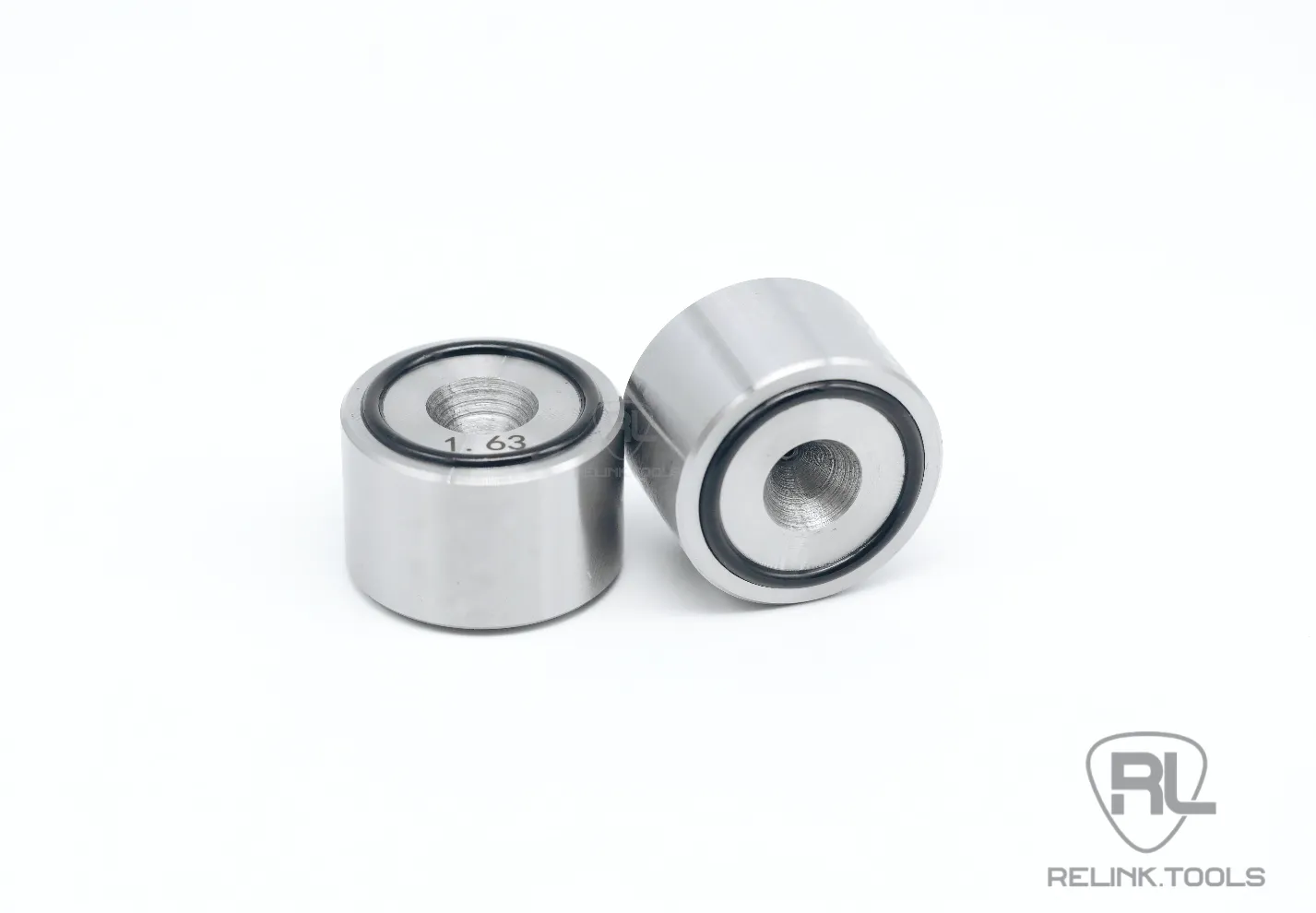
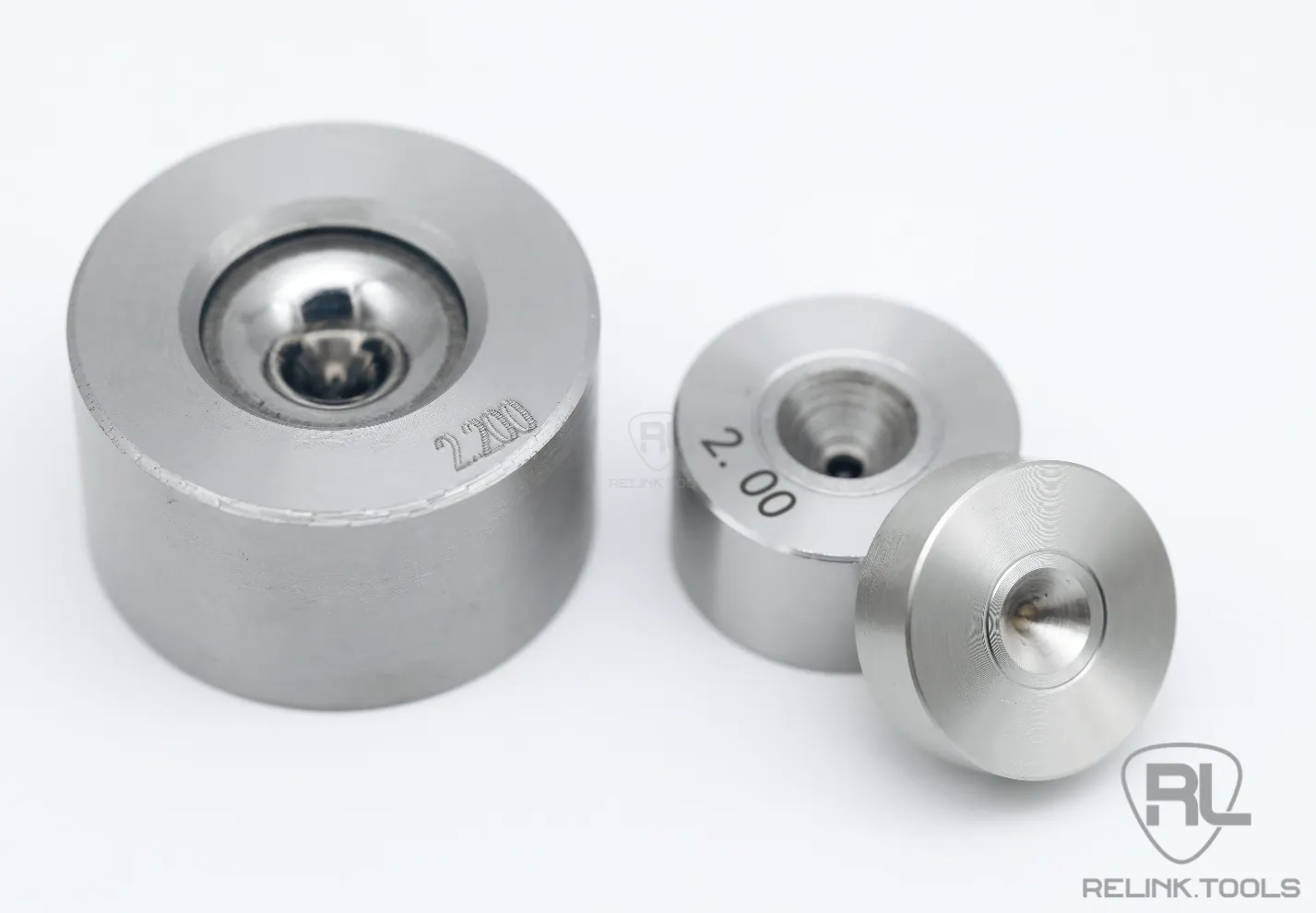
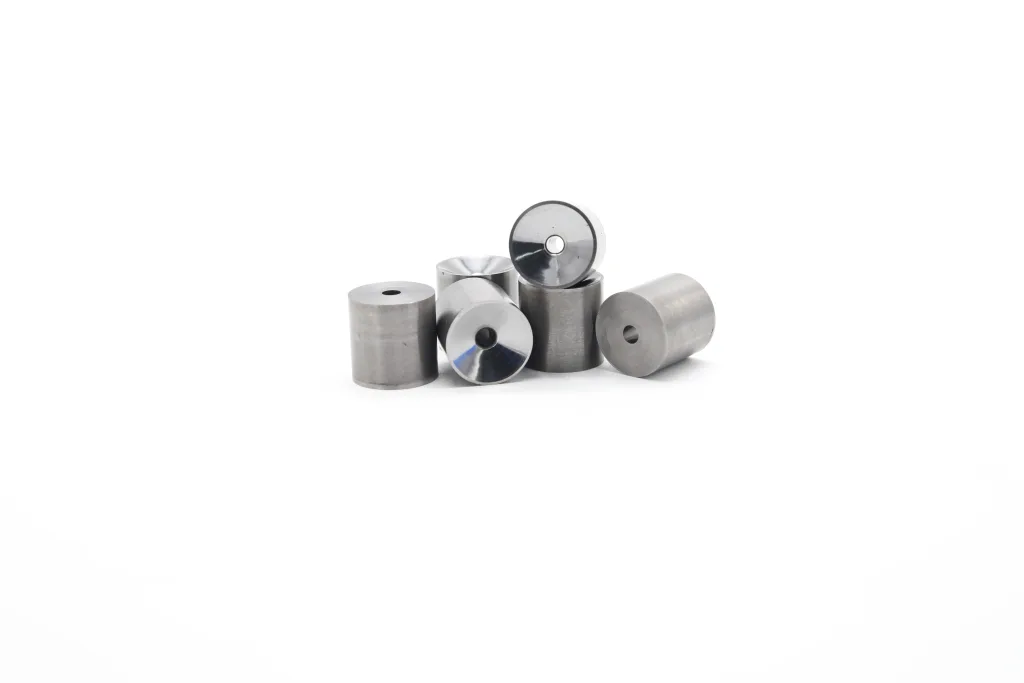
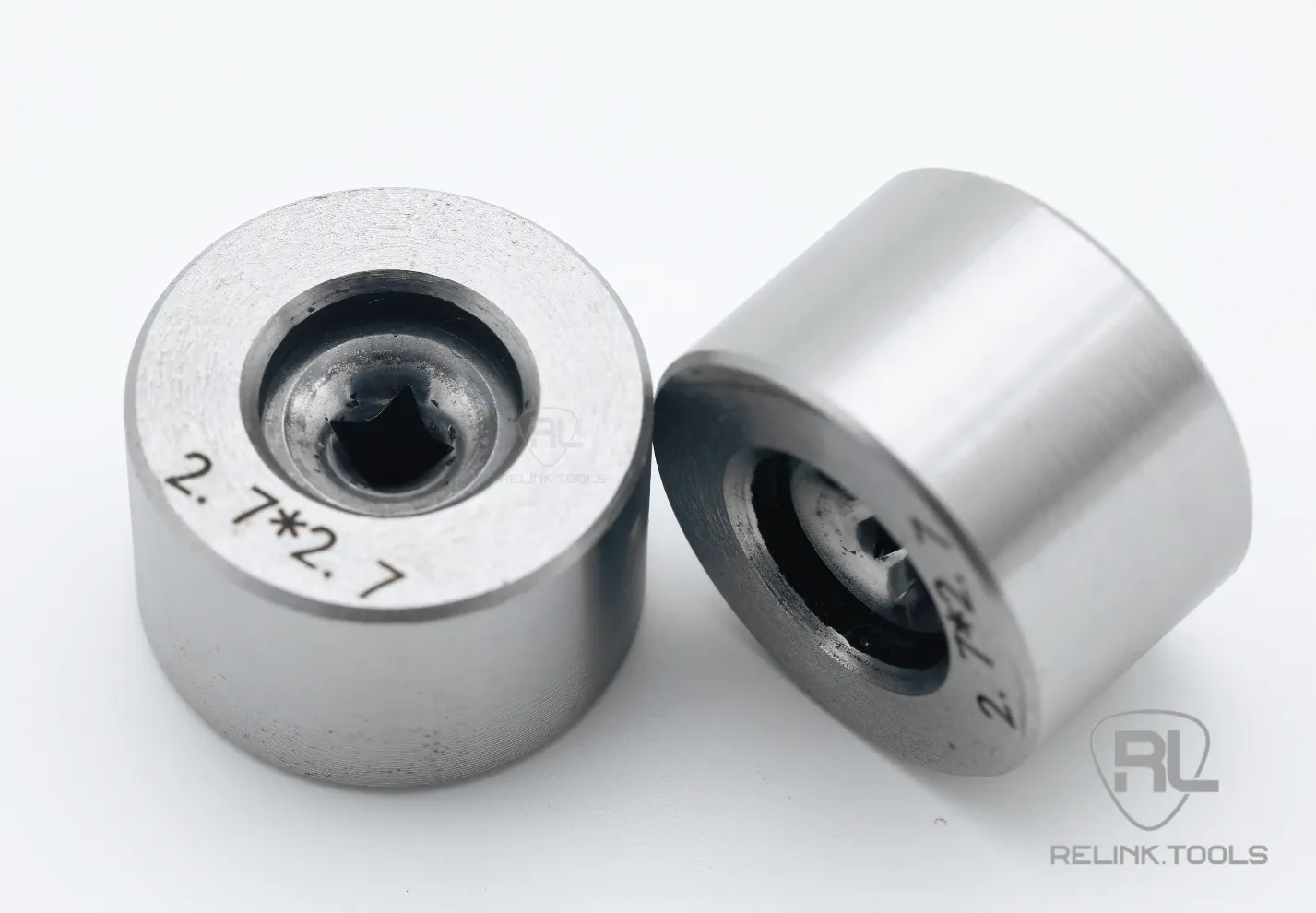
A tungsten carbide (TC) drawing die is a carbide nib set in a steel casing, with a shaped bore that reduces the wire as it is pulled through. Of the die materials we supply it has the lowest purchase price and the shortest life, so the question is where that trade works in your favour.
Overview
Overview
When carbide is the right choice
- Trials and short runs. A new size or a new wire grade, before the pass schedule is settled.
- Very large sizes and rod breakdown, where the purchase price of a diamond-based die is hard to justify.
- Plants that recut their own dies. A worn TC die can be recut to a larger size and used again; wire plants usually do this in their own die shop or through a local die service.
For the sizes you run every day, nano-coated dies usually cost less per tonne of wire, with 10 times or more the life of carbide on most steel wire. Below about 2 mm, or where you re-size worn dies, PCD is the more economical choice. See Wire drawing die materials compared.
Good carbide and cheap carbide
Two carbide dies can look the same and last very differently. How the tungsten powder is washed and graded sets the microstructure; the machining accuracy sets how the nib sits in its casing and takes the load. Carbide prices also move with the tungsten market, so the cheapest quote is not always the cheapest die.
For where carbide fits in a high-carbon line, see Drawing high-carbon wire: which die where.
Specifications
What we supply
| Item | Details |
|---|---|
| Die | Round drawing die: tungsten carbide nib in a steel casing |
| Wire | Ferrous wire: high-carbon, low-carbon, stainless and alloy steel |
| Sizes | From fine wire to rod breakdown; hole size to your drawing or pass schedule |
| Geometry | Entrance, reduction angle, bearing length and back relief set to your wire, reduction and lubricant |
| Tolerance | Hole size and roundness to your specification, confirmed per order |
| Supplied as | Single dies, carbide nibs only to fit your own casings, or a complete set for a pass schedule |
| Inspection | Each order ships with a dimensional inspection report |
Reduction angle and bearing length
Two dimensions decide most of how a die behaves. The reduction angle sets how the wire is squeezed: too wide and the deformation is short and hot, too narrow and the contact zone is long and wastes work; either way the lubricant breaks down and the wire marks or breaks. As a rule, the harder the wire, the narrower the angle. The bearing sets the final size: too long and friction rises, too short and the size does not hold and the die wears out of tolerance quickly. On high-carbon wire both also affect the torsion and bending results of the finished wire.
We set both from your wire grade, the reduction per pass and the lubricant. If you already run a geometry that works, send it and we match it.
What to send for a quote
- Wire material and grade
- Inlet and finished size, or the full pass schedule
- Wet or dry drawing
- Drawing machine model (optional; useful for a complete set)
- Quantity per size
- Casing size — common sizes are 25×15, 28×16, 40×27, 43×27, 43×30, 54×40 and 75×50 mm — or nibs only
Compare
Comparison
For most steel wire, nano-coated dies now give 10 times or more the life of carbide; below about 2 mm, or where dies are re-sized, PCD is the more economical choice. Wire drawing die materials compared
FAQ
FAQ
When should I choose tungsten carbide dies?
For trials and short runs, very large sizes and rod breakdown, and in plants that recut their own dies. For the sizes you run every day, nano-coated dies usually cost less per tonne of wire.
Which wires are TC dies used for?
Mainly ferrous wire: high-carbon, low-carbon, stainless and alloy steel, from fine sizes up to rod breakdown.
Can a worn TC die be reused?
Yes. A worn TC die can be recut to a larger size and used again, usually in the wire plant's own die shop or through a local die service. When the bore is opened up, the reduction angle and bearing must be reground with it, not only the hole.
How do reduction angle and bearing length affect die life?
A reduction angle that is too wide or too narrow overheats the wire and breaks down the lubricant; a bearing that is too long adds friction, one that is too short loses size quickly. We set both from your wire grade, reduction and lubricant, or match the geometry you already run.
Why do two carbide dies of the same size last differently?
The tungsten powder and the machining. How the powder is washed and graded sets the microstructure; the machining accuracy sets how the nib sits in its casing and takes the load.
What do you need from me to quote TC dies?
The wire material and grade, the inlet and finished size or the full pass schedule, wet or dry drawing, and the quantity per size. For a complete set, add the drawing machine model.
What is the minimum order?
For a first order we suggest a small trial lot, with the quantity agreed with you; a single die is rarely worth it once freight and import duty are added. We do not send free samples; a sample order is charged at the unit price and credited against a later volume order.
What is the lead time?
Usually about 15 days, confirmed by item and quantity when we quote.
Product details display
Downloads

Request a Quote
Get In Touch QuicklySend us your machine model or drawing, the wire or material, and the quantity. We will prepare a quotation.