
The Positive Impact of the U.S. Tariff Exemption on the Global Tungsten Market
In this article
Executive Order Implements Global Tariff Exemption
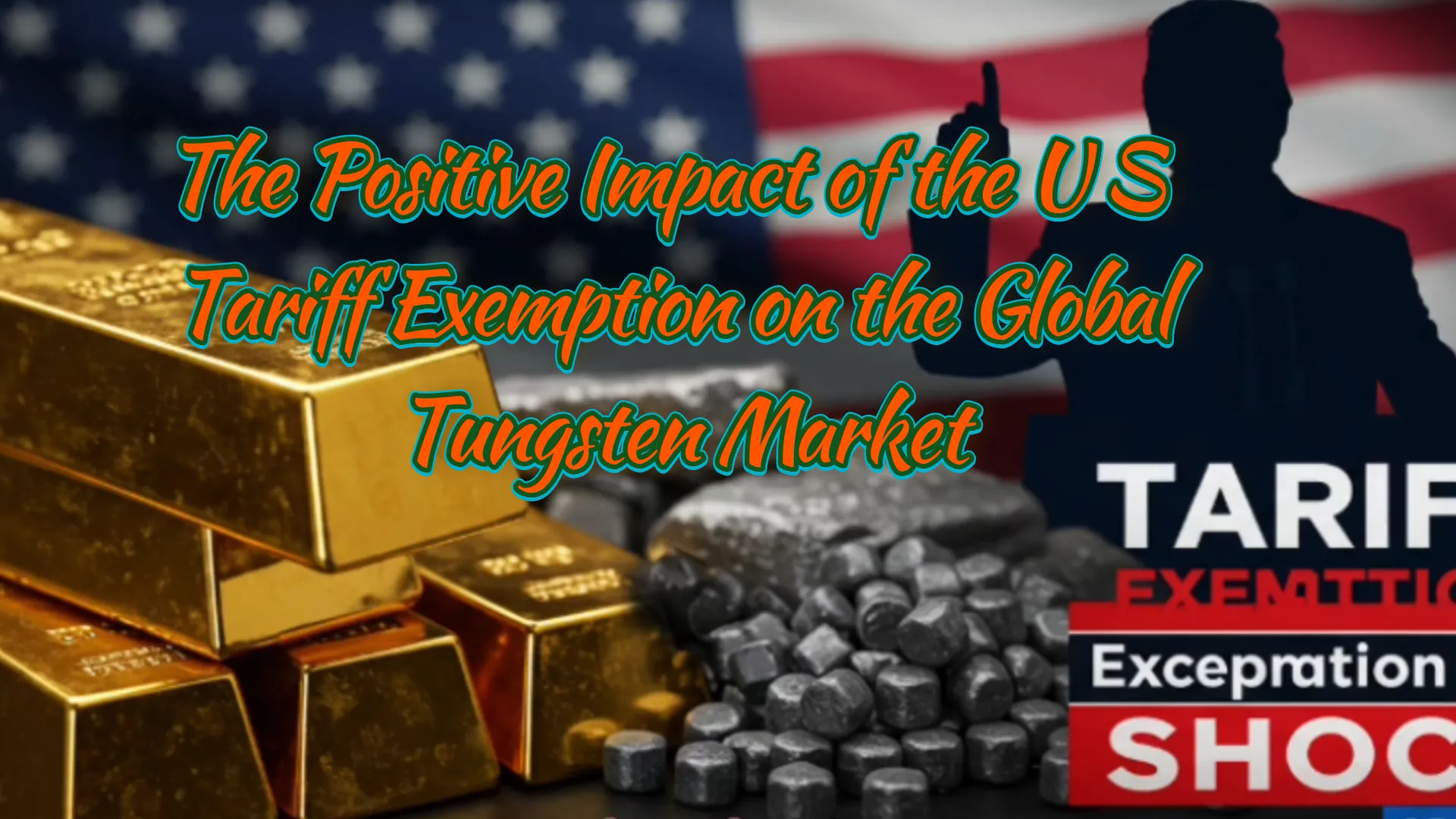
According to recent reports, on September 5, 2025, President Donald Trump signed an executive order implementing a global tariff exemption on several key metals, including tungsten, uranium, gold, and graphite, as well as on certain pharmaceuticals. The order, which took effect on September 8, 2025, applies to specific product categories universally, not to a particular country. This move has had a significant positive impact on the global tungsten market.
Three Major Positive Impacts on the Global Tungsten Market
Lowering Procurement Costs and Stabilizing Market Prices
The tariff exemption directly reduces procurement costs for U.S. importers and manufacturers, easing the pressure of high prices on tungsten metal products. This cost savings is expected to be passed along the global supply chain, which could stabilize or even lower final tungsten product prices. This will provide tungsten-dependent industries with more competitively priced raw materials, boosting global market vitality.
Enhancing Global Supply Chain Stability
The U.S. Department of Defense has listed tungsten as one of its highest supply-risk strategic minerals. This tariff adjustment shows that the U.S. is strengthening its supply chain resilience by optimizing import channels. As a major global tungsten supplier, China’s stable exports will further solidify the supply-demand balance in the global market, reducing uncertainties caused by geopolitical tensions or trade barriers.
Promoting International Trade and Cooperation
The tariff exemption benefits not only American companies but also creates broader market opportunities for exporters in China and other tungsten-producing nations. This policy is expected to foster international trade, attract more investment and innovation into the global tungsten market, and drive technological advancements and capacity optimization within the industry.
Did this answer your question?